If a mattress is too firm, it will push against the body, resulting in pressure points, especially in the areas where the most pressure is applied, such as the shoulders, hips, and knees. A firm mattress can result in discomfort, numbness, aches and pains. It may also lead to increased tossing and turning throughout the night.
Fortunately, there are several ways to make a firm mattress softer, such as using a mattress topper or placing your mattress on a sprung base.

The age of the mattress
The first thing you need to consider is the age of the mattress. A new mattress can feel firmer than initially expected. It may feel quite different to the one you tried in the showroom and may even cause some initial back pain. This is no cause for concern, and like a new pair of shoes, your body needs to adjust to your new mattress.
It can take around a month to break into a new mattress. By then, the fillings should settle, and your mattress should feel softer and more comfortable. Though turning a mattress is not always necessary, doing so can balance out the pressure and allow the fillings to settle more evenly.
Older mattresses can also become firmer over time as the components flatten and break down. You should be thinking about replacing your mattress between seven and ten years.
Use a mattress topper
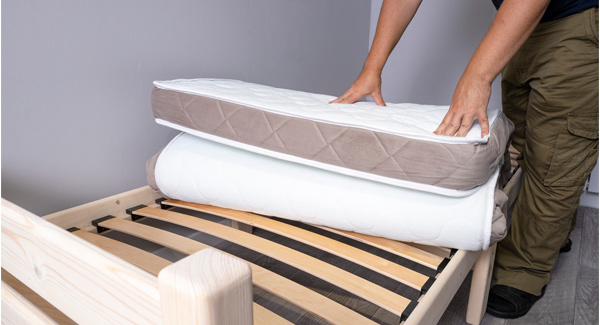
An inexpensive and effective way to soften a mattress is to use a mattress topper, which you place on top of your bed for extra cushioning.
Mattress toppers are available in various sizes, depths and materials. A mattress topper should be at least 5cm in depth – anything less is unlikely to make much difference.
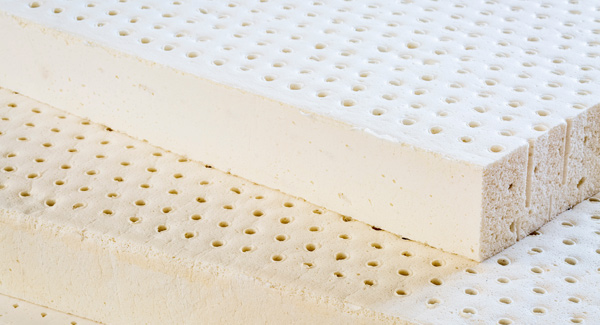
Each type of mattress topper has its benefits and drawbacks. Memory foam and latex toppers conform well to body shape and provide effective pressure relief. Similarly, wool and feather toppers are breathable and give a softer, more luxurious feel.
Synthetic materials like polyester, microfibre and hollowfibre provide a cost-effective alternative.
However, a mattress topper is not a permanent solution for an old worn-out mattress. The mattress topper will conform to its shape and is unlikely to provide the support you require.
Can a mattress protector soften a firm mattress?
A thick quilted mattress protector may slightly soften the feel of a firm mattress but is unlikely to make much difference to the overall comfort. A mattress protector helps to keep your mattress in good condition, protecting it from stains, spillages, and unexpected accidents. So, using a mattress protector with your bed is always a good idea.
Change the bed base
Your bed base affects how your mattress feels and performs. A solid bed base or one with rigid slats will make a bed feel firmer, while a sprung base will provide a slightly softer feel. But before you change the base, you must ensure it is compatible with the mattress.
Divans
Divans are a popular style of base that can be sprung or solid. Sprung divans cushion the mattress, absorbing some of the wear and tear. The base unit typically features an open coil or pocket spring unit. Pocket springs are softer and more supportive.
Divan bed bases are usually available in various fabrics and with different storage options.
Bed frames
Bed frames usually have a slatted bed base on which the mattress rests on. These slats can be either solid or sprung. Solid slats are made with planks of wood and provide a slightly firmer feel, while sprung slats are made using curved laminated wood. They provide some cushioning for the mattress and give a slightly softer feel.
If you have a bed frame with solid slats that you don’t intend to replace, you can purchase a bedstead base to rest on top to soften the mattress. A bedstead base is a shallow divan that can improve the overall level of comfort and support. But, be mindful that the base will increase the overall bed height, which may affect whether you can comfortably get in and out of bed. The base may also hide part of the headboard.
Like divans, it is important to check the slatted base is suitable for use with the mattress. Manufacturers usually provide guidance regarding slat spacing to ensure that the mattress doesn’t sag between the gaps.
How do I know if my mattress is too firm?
Many people assume that a firm mattress is good for the back, but this is no longer the case. The right mattress should conform to the shape of the body and keep the spine correctly aligned.
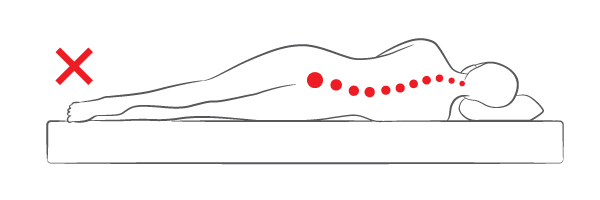
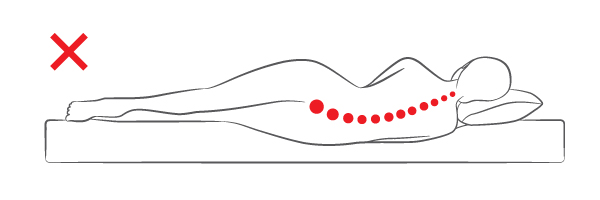
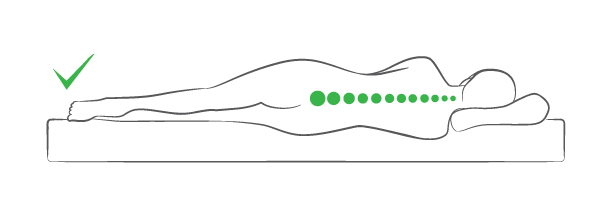
If you are experiencing any of the following, it could be that your mattress is too firm:
- Back problems.
- Aches and pains.
- Pressure points around the shoulders, hips and knees.
- Waking up with numbness, pins and needles.
- Your mattress will feel uncomfortable.
- Increased tossing and turning during the night.
- Disturbed sleep.
- Spinal misalignment.
A handy check to determine if a mattress is too firm is to lie on your back and slide your hand underneath the hollow part of your back. If your hand slides underneath your back easily, the mattress is too firm. However, if you can’t slide your hand underneath, it’s too soft.
Body weight is also a significant factor. A firm mattress may feel just right for a heavier person, but a lightweight person may find it uncomfortable and too firm.
| Body weight | Recommended mattress tension |
|---|---|
| Someone that weighs up to 11 stone (70kg) | Soft |
| Someone that weighs between 11 and 16 stone (70 to 102kg) | Medium |
| Someone that weighs 16 stone and above (102kg +) | Firm |
Replace your mattress
If you’ve recently purchased your mattress, you may have the option to return it if it fails to meet your expectations. Some manufacturers offer extended sleep trials, where you can send the mattress back within a certain time period, subject to their terms and conditions.
There are different types of mattresses that cradle and conform to the shape of the body. Here are some options to consider.
Pocket springs
If you prefer the feel and ‘bounce’ of a traditional mattress, pocket springs are a good option. When required, the individual pocket springs work independently to respond and conform to your body shape.
Pocket springs typically have thicker comfort layers providing extra cushioning and pressure relief. Higher-quality models contain generous amounts of natural fibres, such as wool, cotton, and cashmere, while lower-quality models use less durable synthetic materials in the padding.
Most pocket spring mattresses are available in soft, medium, and firm spring tensions, so you can choose the tension that best suits your needs.
Memory foam
Memory foam slowly moulds and conforms to your body shape, providing excellent support and pressure relief. It is a temperature-sensitive material that relies on body heat to compress and contour to the shape of the body. When pressure is removed, the material slowly returns to its original shape.
Memory foam mattresses are constructed with one or more foam layers which vary in thickness and density.
Latex
Natural latex provides a good pressure-relieving alternative to memory foam. Like memory foam, latex conforms well to body shape but responds and recovers quickly when pressure is removed and feels more ‘springy’. Latex is a highly durable material but does tend to be more expensive than other materials.
Final thoughts
Investing in a mattress topper or a new bed base are two effective ways to make a firm mattress softer. However, these are not permanent solutions for an old-worn out mattress. If you’ve been sleeping on your mattress for more than seven years, it could be time for a replacement.
Learn more