Mattress prices vary considerably, from under £100 to several thousand pounds. Like most things, you generally get what you pay for with mattresses. A well-constructed mattress with superior materials will typically last longer and provide better comfort and support.
However, this doesn’t necessarily mean choosing an expensive mattress is always the right option. Comfort is subjective, and what feels comfortable to one person may not be the same for another.
Fortunately, there are plenty of affordable mattresses to consider. If buying a new mattress feels overwhelming, finding a bargain without compromising on quality may be possible.
When should you buy a cheap mattress?
The term ‘cheap’ can mean different things to different people. For instance, a £1,000 mattress may be expensive to some but affordable to others.
It’s important to keep an open mind when choosing a new mattress. Don’t settle for the cheapest option; spend as much as you can reasonably afford. Remember, we spend a third of our lives in bed, so prioritising comfort is important.
Cheaper mattresses tend to wear out sooner and need replacing more frequently. So, investing in a higher quality mattress that lasts much longer and provides the comfort and support you require is usually better.
However, there may be circumstances where buying a cheap mattress is necessary.
Budget constraints
Disposable income significantly affects how much people can spend on a new mattress. Those with higher disposable incomes may have more flexibility to invest in a higher-quality mattress. On the other hand, those with less disposable income may prioritise a more affordable model.
Budget constraints frequently lead individuals to prioritise other purchases over investing in a new mattress. Compared to buying a brand-new car, making home improvements, or going on a holiday, people may be less willing to invest in a new mattress.
This could be because they underestimate the importance of quality sleep or that a new bed or mattress is not typically showcased like a new car or kitchen. However, prioritising good sleep is essential, considering we spend almost a third of our lives in bed.
The mattress is for a guest room
An inexpensive mattress may suffice for a guest room that is used infrequently. Also, consider who will be using the bed. If it’s primarily for one person, a single bed should be adequate and more affordable than a standard double or king-size bed. However, a slightly wider bed, like a three-quarter or standard double bed, may be necessary where two people share the bed.
The mattress is for a child
Children have different sleep needs than adults. While it remains important to choose a mattress that supports their growing bodies, children’s mattresses are generally cheaper than adult mattresses. They are often smaller in size and contain fewer materials.
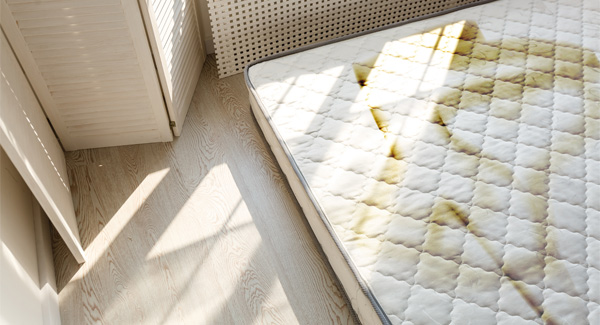
It is generally not recommended to use memory foam mattresses for young children. Also, avoid buying second-hand or using hand-me-down mattresses, as they may not provide the necessary support and could pose health and hygiene risks. Additionally, mattresses accumulate body moisture and shed skin particles over time, creating an ideal environment for dust mites, which can exacerbate breathing and skin issues like asthma and eczema.
Temporary or short-term use
A cheaper mattress can be a practical option for temporary living situations like rental properties. However, it’s advisable to select a durable and robust mattress that can withstand heavy wear and tear, as doing so will reduce the need for frequent replacements. Choosing a mattress for rental properties can be challenging, considering different guests will use it. Finding a middle ground and choosing a medium-support mattress is usually a good approach.
What affects the price of a mattress?
Several factors contribute to the price of a new mattress.
Materials
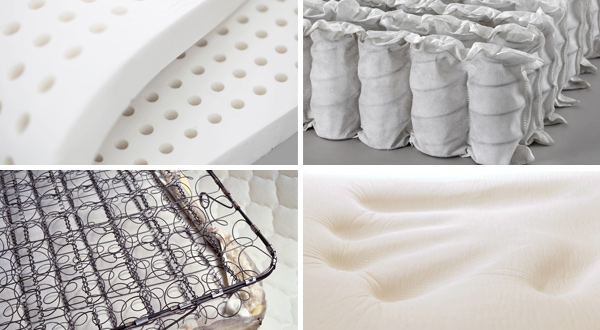
The materials or components used in a mattress can significantly affect its price. Cheaper models often contain synthetic materials such as polyester and compact pads. Higher-quality models typically contain generous amounts of natural materials like wool, cotton, cashmere, and horsehair. These luxurious materials are soft, resilient and fully breathable.
Construction
Cheaper mattresses are typically mass-produced and predominately made by machine, resulting in lower manufacturing costs. In contrast, higher-quality mattresses are often made by hand to higher standards of craftsmanship. Some luxurious models feature side stitching, a labour-intensive technique that reinforces the mattress’s edge, preventing sagging and helping it retain its shape.
Features and technology
Manufacturers have incorporated temperature-regulating features like cooling gels and breathable fabrics into mattresses, ensuring a cool and comfortable sleep surface while regulating body temperature. Some mattresses utilise sleep tracking technology and smart bed features to enhance the sleeping experience, while air mattresses offer adjustable firmness options.
However, while these features and technologies provide significant benefits, they are often more expensive.
Branding and reputation
Well-established brands may command higher prices due to their reputation. Consumers often perceive brands as trustworthy and credible. In contrast, lesser-known businesses, such as family-owned companies, may not have the reputation or advertising resources of an established brand but can still offer good quality mattresses at reasonable prices.
Reputation and branding can influence pricing, but it doesn’t necessarily guarantee a better quality product.
Sizing
Larger-sized mattresses like king and super-king are typically more expensive than smaller sizes. However, when choosing a bed for two people, consider how bed size can affect their sleep quality. Couples generally sleep better in bigger beds as they offer more space and reduce the likelihood of disturbing each other during the night.
What are the drawbacks of buying a cheap mattress?
While purchasing a cheap mattress may initially help you save money, there are some potential risks.
Durability
The average lifespan of a mattress is between seven and ten years. However, the components and materials in cheaper mattresses tend to break down over time. As a result, cheaper mattresses may need to be replaced every few years and much sooner than expected.
Lack of comfort and support
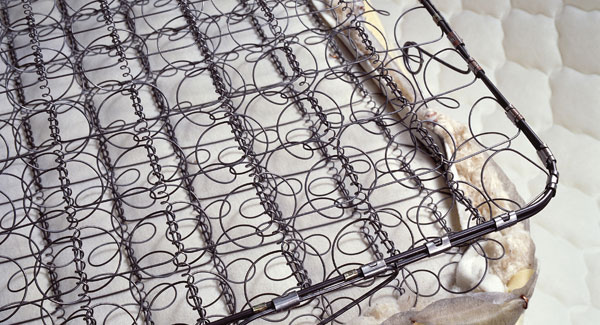
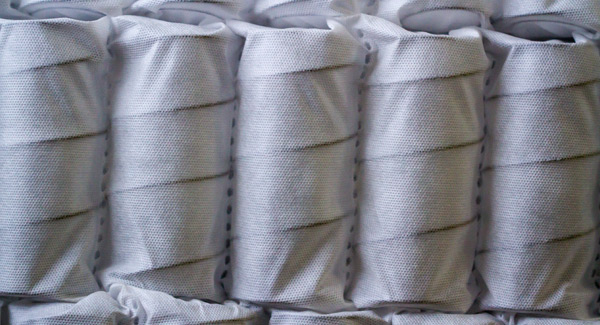
Mattresses are constructed with different layers to provide comfort and support. The support layers are located beneath the surface of the mattress to ensure the body is aligned and correctly supported during sleep. Comfort layers, located close to the surface of the mattress, allow the body to sink into the mattress providing a more cushioned feel.
Inexpensive mattresses tend to have thinner or lower-quality comfort layers that may be less effective in providing comfort and pressure relief. While the support layers may not provide adequate support, resulting in misalignment.
Partner disturbance
Partner disturbance is one of the main contributors to poor quality sleep. Cheaper mattresses tend to be less effective at reducing partner disturbance, which means sleeping partners are more likely to disturb one another in bed.
Limited warranty
Cheaper mattresses usually come with shorter guarantee or warranty periods, often limited to twelve months. As a result, if there are any issues beyond this timeframe, it may be difficult to get them resolved or have the mattress replaced.
Check the condition of the bed base
Placing a new mattress on an existing bed base may seem cost-effective, but it’s crucial to ensure the two are compatible. An unsuitable bed base can damage the mattress and invalidate its guarantee or warranty.
Tips on how to save money on a new mattress
There are several ways you can choose a new mattress without breaking the bank. Here are some tips to consider.
- Mattress sales and promotions take place throughout the year. However, summer and winter sales are usually a good time to buy a new mattress. There are also some good deals on new mattresses during Black Friday and Cyber Monday.
- Retailers often sell mattresses from display at reduced prices. While these mattresses may not be in perfect condition, they can provide comfort and quality at an affordable price.
- Shopping online for a new mattress can often be cheaper than buying in-store. Online retailers may offer lower prices because they typically have lower overhead costs and can pass these savings on to shoppers.
- Don’t be afraid to negotiate on the price. If you don’t ask, you don’t get!
- Read what others are saying online. If an inexpensive mattress gets positive reviews, it may be worth considering.
- Research the reputation of the seller to ensure they are genuine and trustworthy. Knowing you’re in safe hands should you require any help and support is crucial.
Final thoughts
When choosing a new mattress, shop for better value rather than a lower price. Consider this: spending £1,000 on a mattress will cost just 40 pence per night over seven years. That’s less than the cost of a pint of milk or a loaf of bread,
Our Bed Buyer’s Guide is a good place to start if you need advice on buying a new mattress.