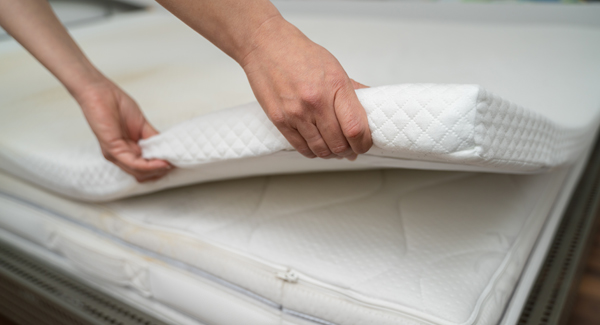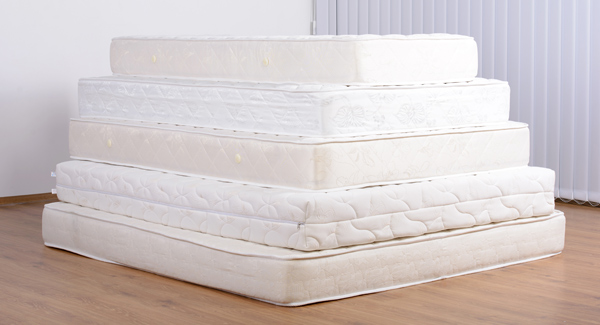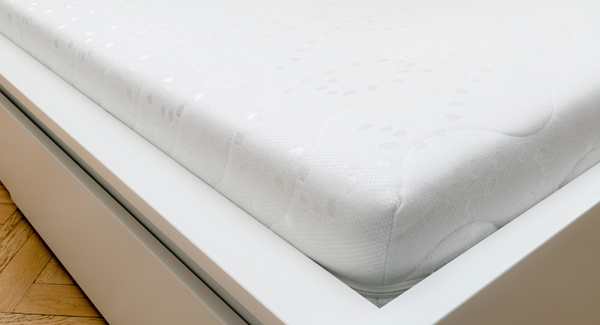
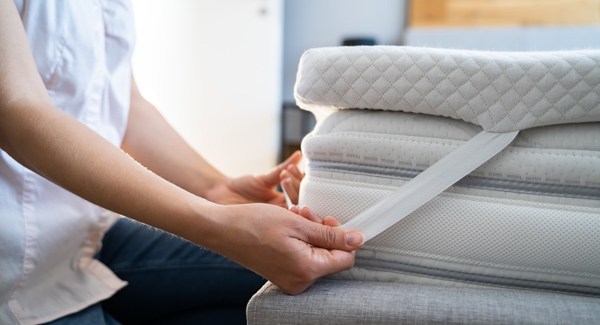
A mattress topper sits on top of your mattress, providing an additional comfort layer. They typically come with elasticated corner straps or an elasticated skirt that secures the topper to the mattress, preventing it from moving during sleep.
Most mattress toppers can be used with a memory foam mattress. Many people use a mattress topper to soften the feel of a relatively new mattress that might feel firmer than expected. You can also purchase a firm mattress topper if your mattress is too soft.
However, a mattress topper has its limitations. While it can improve the feel of a mattress, it won’t fix an old word-out mattress that is not supporting you properly, and you should invest in a new mattress instead.
Using a mattress topper adds an additional layer between you and the material, affecting how your mattress feels and performs.
Reasons to use a mattress topper with a memory foam mattress
There are several reasons to use a mattress topper with a memory foam mattress. However, a mattress topper may not fully address certain issues, such as significant sagging or structural issues.
Improve comfort
The primary purpose of a mattress topper is to improve the comfort of your bed without having to replace the mattress. Mattress toppers are available in various firmness levels and can help make your mattress feel softer or firmer, depending on your preference.
However, there are situations where a mattress topper may not be beneficial or necessary, such as with a new or worn-out mattress.
New memory foam mattresses can feel uncomfortable initially and may even cause back pain. It might feel firmer and quite different to the one you tried in the showroom. If you’re switching from a sprung mattress, it may take longer to adapt to memory foam due to the unique characteristics of the material. Memory foam is a temperature-sensitive material that gently moulds and conforms to body shape. Some may find the sinking sensation strange initially.
New mattresses often go through a breaking-in period, during which they gradually soften and become more comfortable with regular use. Therefore, it is advisable to wait at least a month before considering a mattress topper.
Using a mattress topper on an old, worn-out mattress is unlikely to make a substantial difference. It will simply conform to the shape of the mattress, dipping in the areas where indentations are prominent.
Addressing sinking issues
Memory foam mattresses are ideal for those who prefer a mattress that gently cradles and cushions the body. The material responds to body heat. It gradually softens with use and slowly recovers to its original shape. Heavier individuals may find the material too soft and feel like they are sinking too far into the mattress. They may feel stuck and struggle to turn over in bed.
A firm mattress topper can help alleviate these issues by providing extra support and reducing the extent of sinking, making it easier for heavier individuals to change sleeping positions.
Cooler sleeping surface
Memory foam mattresses tend to trap or retain heat and can feel warmer than other mattresses. Some mattress toppers are constructed using breathable materials or cooling properties that dissipate heat away from the mattress and create a cooler sleeping environment.
Mattress protection
A mattress topper offers some protection against stains and spillages, helping keep the mattress surface clean and in good condition. However, it is not as effective as using a mattress protector, which is specifically designed to protect the mattress.
Memory foam can absorb liquids easily, potentially damaging its layers and creating the perfect conditions for mould and mildew. Using a waterproof mattress protector with a memory foam mattress is recommended to prevent the material from getting wet.
Increase lifespan
Mattresses absorb sweat, saliva, dead skin, bodily oils, food and drink. A topper provides an additional layer of protection, safeguarding the mattress from stains and spillages and preserving its condition.
Furthermore, sleeping in the same position can lead to sagging and unwanted body impressions on the mattress. A mattress topper can help alleviate wear and tear and extend the life of the mattress.
Temporary fix for a sagging mattress
A mattress topper can reduce the impact of a sagging mattress by creating a more even sleeping surface. While a topper won’t fix the underlying issues causing the sagging, it offers a temporary solution until you purchase a new mattress.
If you notice dips and indentation on the sleeping surface, particularly in the areas where most of the weight is concentrated, turning the mattress might help. While you cannot flip a memory foam mattress, occasionally rotating it end to end will help even the wear.
What to consider when choosing a mattress topper for a memory foam mattress
Consider the following factors when choosing a mattress topper:
Compatibility
When choosing a mattress topper, ensure it is compatible with your mattress. Double-check with the retailer or manufacturer if you need clarification.
Materials
Mattress toppers are available in various materials, such as polyester, memory foam, latex, down, feather and wool. Each material has distinct qualities and will feel different to sleep on. Synthetic materials like polyester are inexpensive, while premium materials like wool and latex are typically longer lasting.
Since memory foam can feel warm to sleep on, consider mattress toppers with breathable materials or cooling features that absorb and disperse excess body heat, creating a cooler sleeping surface. For example, some toppers have ventilation holes or an open-cell structure, allowing better air circulation.
Thickness
Mattress toppers are typically around one to four inches deep, with anything less than 2 inches unlikely to make much difference.
When pairing a mattress topper with a memory foam mattress, consider how this might affect how the mattress feels and performs. While a thicker topper adds extra cushioning, it introduces another layer affecting how the material conforms and adapts to the body.
On the other hand, a thinner mattress topper may not provide enough cushioning for a firmer memory foam mattress.
Additionally, consider how the topper contributes to the overall bed height. Adding a topper to a deep mattress can make getting in and out of bed more challenging. It may also lead to difficulties in finding appropriately sized bedding.
Firmness
Mattress toppers come in various firmness levels. Besides personal preference, consider your weight, build and sleeping position when choosing a mattress topper. Heavier individuals often benefit from firmer toppers, while lighter individuals may find softer options more suitable. Your sleeping position matters too; side sleepers tend to favour softer toppers that cushion the shoulders and hips, while back and stomach sleepers may prefer firmer options.
Budget
Mattress toppers with premium fillings such as wool, latex, and memory foam are typically more expensive than those with synthetic materials like polyester. Nevertheless, using a topper is a cost-effective way to improve the bed’s comfort without replacing the mattress. However, a topper only offers a temporary solution if your mattress is in poor condition. In this case, investing in a good-quality mattress should be a priority.
Final thoughts
A mattress topper can give a relatively new memory foam mattress a new lease of life. However, it is not a fix for all issues. It won’t improve an old mattress with excessive sagging or structural defects.