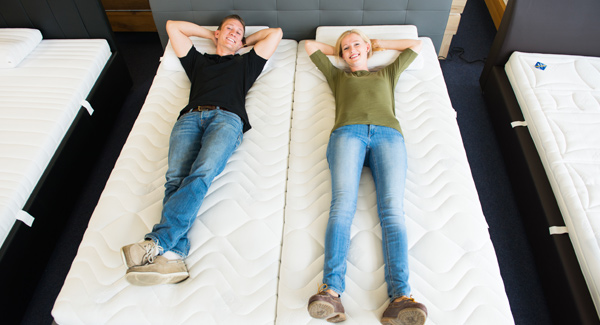
Testing mattresses in-store is an effective way to determine which ones are comfortable and supportive. Here’s how to test a mattress properly to help you make the right choice.

Choose reputable mattress stores
Before you rush out to your nearest mattress showroom, it helps to carry out some initial research to help you find a reputable store that can satisfy your needs and provide a good shopping experience.
Look for stores with a good reputation. A new mattress is a significant investment, so you will want to buy from someone reliable and trustworthy who provides good advice to help you make an informed decision. Read online reviews from trusted websites and ask friends and family who have recently purchased a mattress for recommendations. Their personal experiences can be invaluable.
Don’t settle for the first store you find. Be prepared to travel and visit multiple stores where necessary. This will allow you to compare different brands, prices and customer service levels. Choose stores with a good selection of beds and mattresses you can try. Ideally, the mattresses should be easily accessible and properly displayed. They should be paired with suitable bed frames and bases rather than just stacked on each other.
The showrooms should be well-maintained, and the mattresses should have protective foot mats to prevent them from getting soiled. Friendly and knowledgeable staff should be available to assist you and answer any questions you have about the products. The stores should also provide a comfortable and relaxing environment for testing mattresses with adequate lighting and noise levels.
Your budget and the type of mattress you require can also influence which stores you visit. However, as we spend a third of our lives in bed, you should invest as much as reasonably possible in a new mattress. Avoid simply opting for a cheap mattress.
With a vast array of mattresses available, asking yourself specific questions, like what you like or dislike about your current mattress, can help you narrow down your options.
Preparation
Once you’ve established which stores to visit, it’s time to plan your shopping trip. Set aside plenty of time to do the job properly and avoid rushing or making other plans which might result in choosing the wrong mattress.
If you share a bed, always bring your partner along. Since you both likely have different comfort needs, shopping together helps to ensure you’re both comfortable with your choice.
Dress comfortably for mattress shopping and wear clothes that are easy to remove, allowing you to move freely and test mattresses without being hindered.
Avoid busy times, such as weekends, sales, or special events where possible. Opt for quieter periods when there are fewer distractions so you can relax and concentrate on the task at hand.
Bringing a pillow from home can also give you a better sense of the mattress’s comfort.
Mattress testing
When you visit a store, the sheer amount of mattresses to choose from can seem a little overwhelming initially. However, if you’ve done your research beforehand, you should have an idea about the type of mattress you need and how much you can afford to spend.
Avoid merely pressing or sitting on the mattress while browsing. You need to lie down on the mattresses to determine which ones you find comfortable. Also, don’t limit your testing to mattresses with fancy names or attractive materials. Manufacturers put significant effort into making their mattresses stand out. However, what truly matters is what’s inside the mattress and how it feels to rest on. Seek advice from the salesperson if you’re unsure where to begin. But ask them to give you some space when you’re testing the mattresses so you can relax and discuss the options with your partner.
Before trying the mattresses, remove any clothing that might affect comfort, like coats or shoes. Avoid only lying on your back, as many mattresses might feel similar in that position. Instead, test by lying on your side or your preferred sleeping position, spending at least ten to twenty minutes on each mattress.
Your body weight should be one of the main factors to consider when testing mattresses. Typically, the heavier you are, the firmer the mattress you need. The mattress should conform to your body shape, keeping the body aligned and properly supported.
A helpful test involves lying on your back and sliding your hand between your lower back and the mattress. If your hand easily slides under your back, the mattress is too firm. If it doesn’t slide, the mattress is too soft.
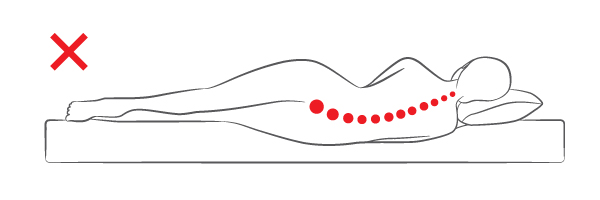
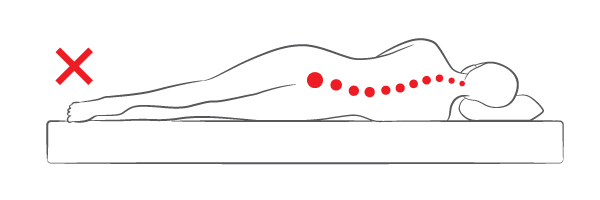
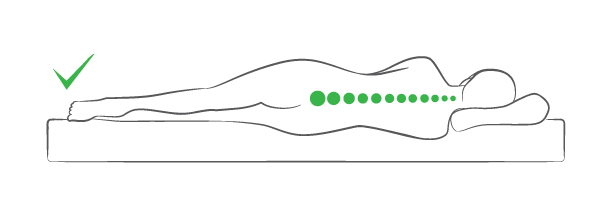
You could also ask someone to check if your spine is correctly aligned when lying on the mattress, and if necessary, ask them to take a picture from their phone so you can check for yourself.
Split tension mattresses are a good option for couples of vastly different body weights.
Look for mattresses that minimise movement or prevent roll-together if you share a bed with someone. Test by moving around together to ensure you don’t feel your partner’s movements.
Try different mattress sizes to determine whether there is enough room to sleep comfortably without disturbing each other. Lie next to your partner on your back with your hands behind your head and elbows out. If your elbows don’t touch, there’s enough space for each person.
Test the mattress for edge support since many couples sleep close to the edge of the bed. Sit or lie near the edge to ensure it doesn’t collapse, sag, or make you feel like you’re falling out of bed.
Remember, some showroom models might create the sensation of falling out of bed because the fillings have settled around the edges from shoppers sitting or bouncing on the edge. Simply turning or rotating the mattress should resolve this and doesn’t necessarily indicate poor edge support.
When purchasing the mattress and bed base together, check the overall bed height to ensure you can get in and out of the bed comfortably. You should be able to sit on the edge of the mattress with both feet flat on the floor and your knees level with your hips.
Don’t overcomplicate the testing process by trying too many mattresses; you will just get confused. Start with three or four mattresses and thoroughly test each one. It also helps to test the mattresses on a bed base similar to the one you’ll be using since the bed base affects how the mattress feels and performs.
Since most mattresses require turning, it’s also advisable to try lifting the mattress to ensure you can manage the weight.
Is it necessary to test a mattress?
Testing a mattress before purchasing is strongly recommended, as this will help you determine whether it is comfortable and supportive. However, many online brands offer extended sleep trials, allowing you to test the mattress from home with the option of returning it if you are unsatisfied.
Final thoughts
A new mattress is a significant investment and can affect your sleep quality, so it’s essential to take your time and consider the options carefully. Don’t feel rushed or pressured into making a decision.